· 4 min read · By the Diamond Events team
A practical guide to running several wedding functions over two or three days: ordering the events, sharing venues and décor, pacing the menus and keeping the family rested.
Many families hold their wedding functions close together, often over a single long weekend. Relatives travelling from England or abroad only need to make one trip, venues can sometimes be shared, and the whole family gets to celebrate together rather than across separate months. It also means more to organise in less time. This is how we approach a multi-function weekend with the families we plan with.
Decide the order first
Every family does this differently, and the order matters more than any other decision because it shapes the venues, the menus and the décor. A common pattern looks like this:
- Friday evening: the Mehndi, bright, loud and relaxed.
- Saturday: the Nikkah, often in the morning or early afternoon, followed by the wedding reception or Baraat in the evening.
- Sunday: the Walima, hosted by the groom’s family.
Some families hold the Nikkah earlier in the week or at a mosque, then keep the weekend for the celebrations. Others combine the Nikkah and the wedding into one day. There is no right answer, but once the order is set, everything else follows from it.
Think about who hosts each function
A weekend usually involves both families hosting at different points. Agree early who is responsible for which function, who the guest list for each belongs to, and who makes the decisions. A lot of planning stress comes from each family assuming the other has made a choice. One contact per function on each side keeps it clear.
Venues: one room, or several?
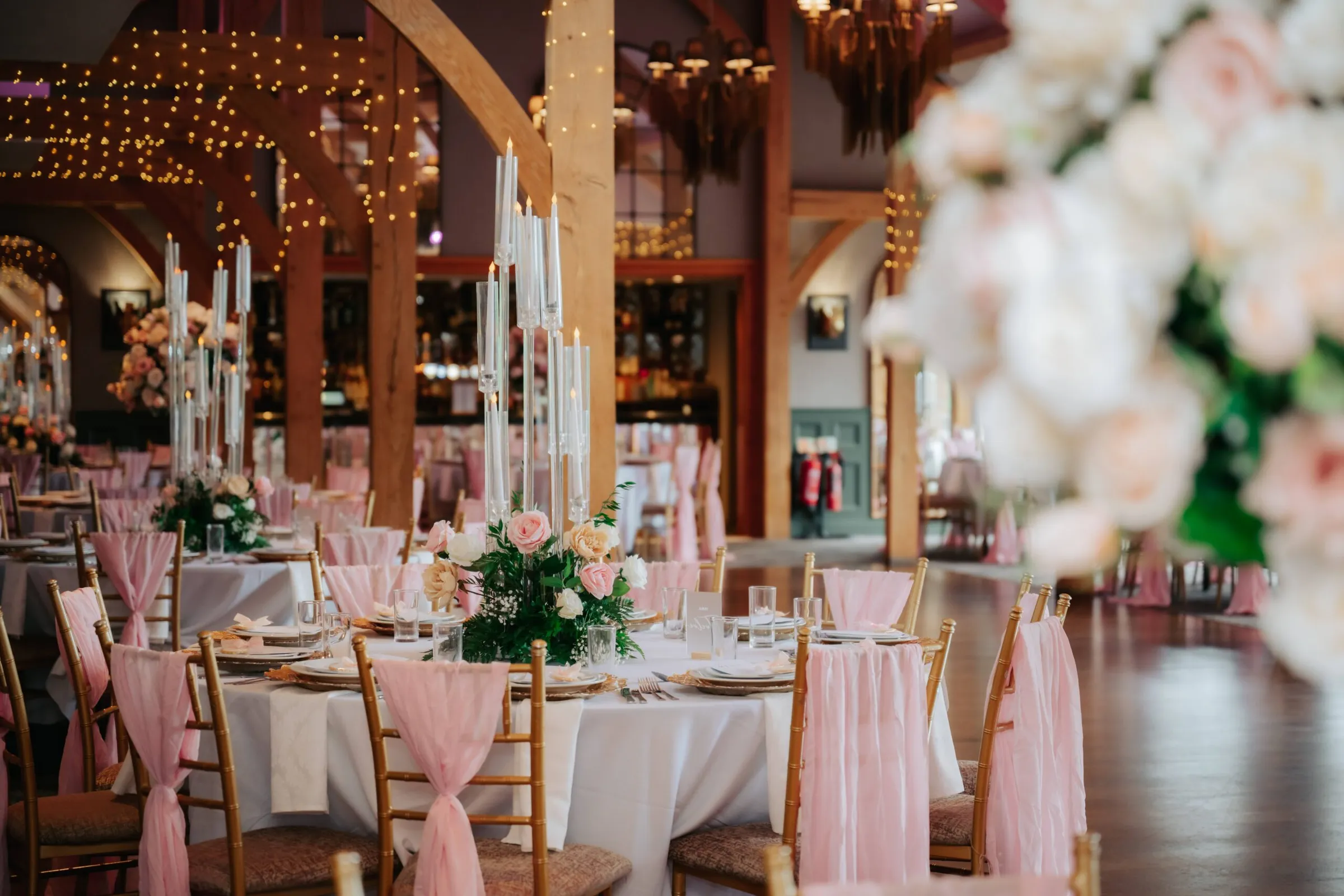
Using one venue for the whole weekend has real advantages. Guests learn the way, the room can be re-dressed overnight rather than built from scratch, and the kitchen and décor teams know the space from the first night. Many hotel venues have more than one suite, so a smaller Nikkah and a larger reception can sit in the same building. Our venue guide lists the rooms we know well, with the guest numbers each one holds.
Different venues for each function can suit families whose guest lists vary a lot, for example a small Nikkah and a very large Walima. If you go this way, check set-up and clear-down times carefully. A Saturday evening reception that finishes at midnight and a Sunday Walima that starts at one o’clock in another building leaves a tight window for the décor team.
Give each function its own look
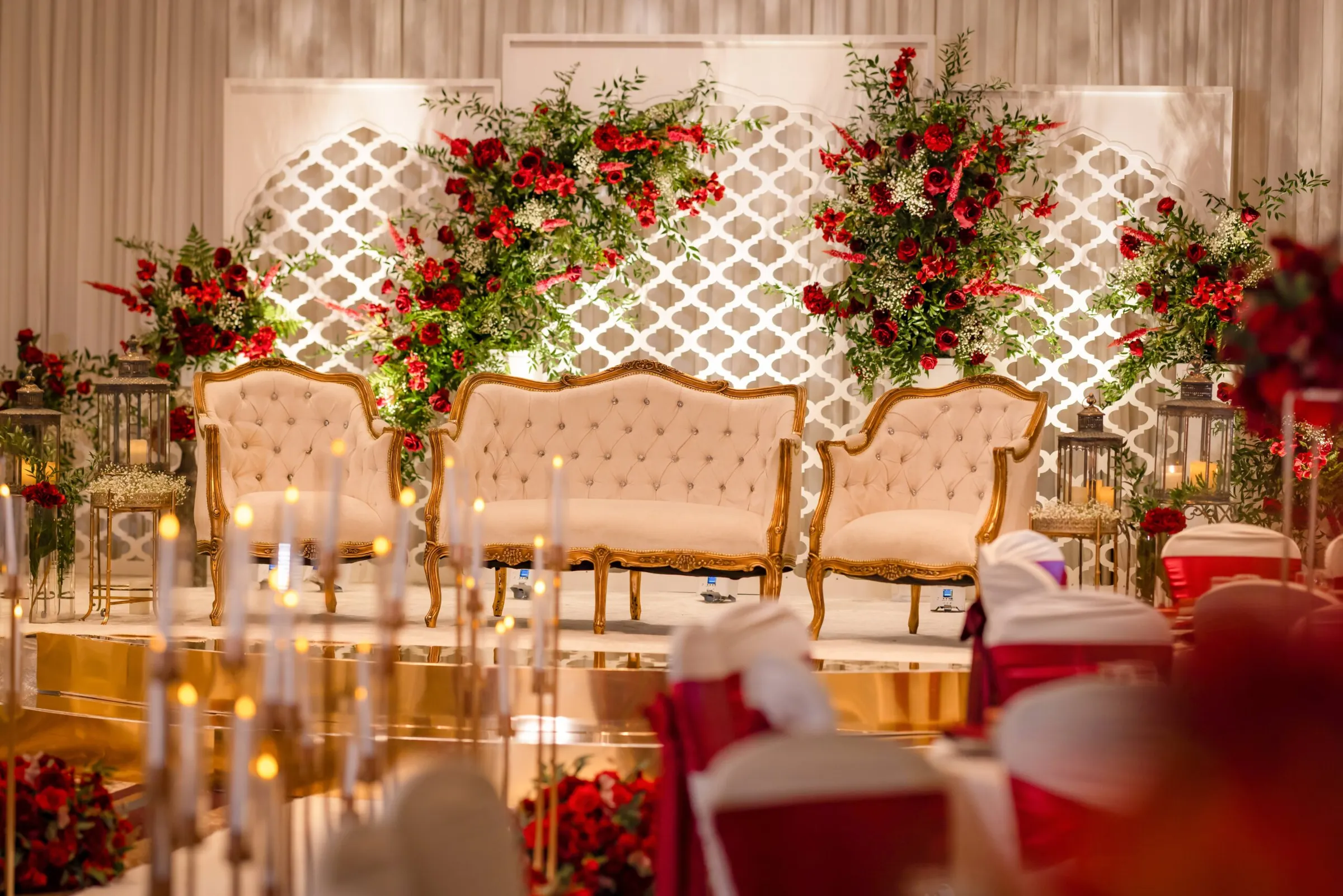
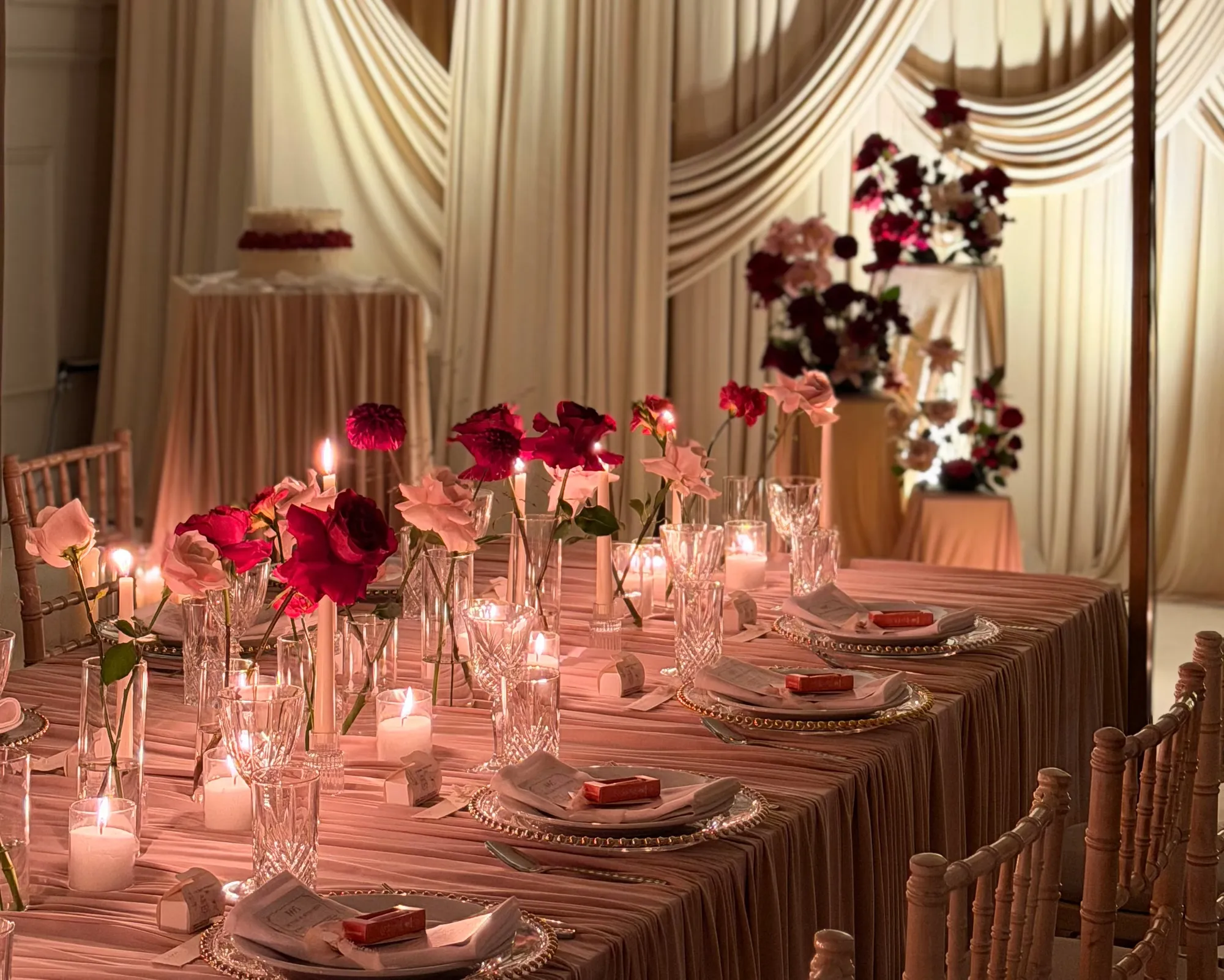
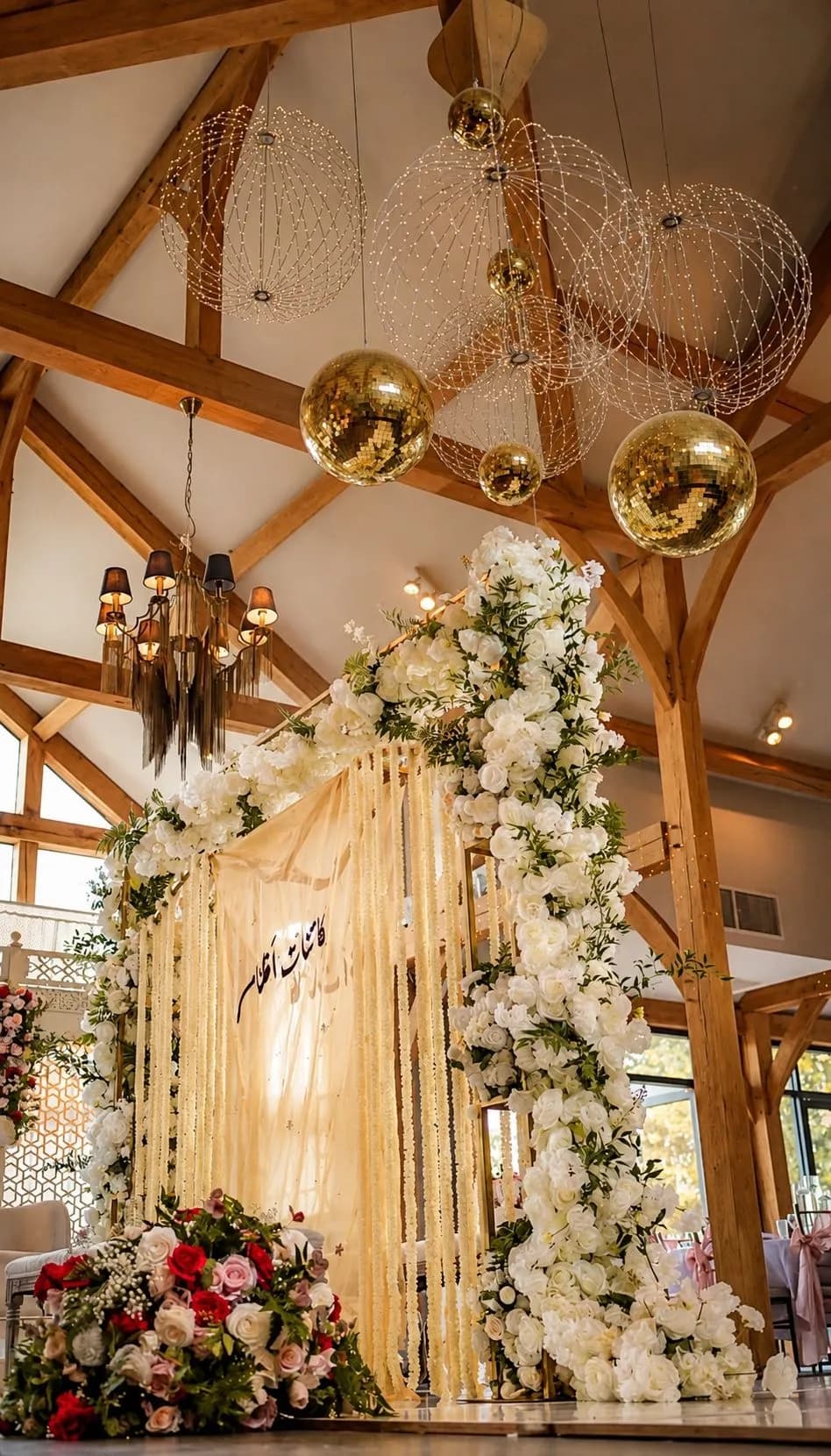
Guests who attend all three days notice when the décor repeats. That does not mean three completely different builds. A good approach is a clear change in colour and mood: a vivid Mehndi stage in pinks, oranges and marigold, a calm Nikkah setting in white flowers and ivory, and a grand reception or Walima stage with chandeliers and a long aisle. Our stage collections are designed as starting points for exactly this, and we can adapt one collection across two functions with different flowers and lighting.
Pace the menus across the weekend
Feeding the same guests three times in three days calls for variety. A few principles help:
- Keep the Mehndi informal, with street-food stations and starters guests can eat standing up.
- Make the wedding or Walima the main feast, with the fuller set of starters, mains and a dessert table.
- Avoid serving the same main course twice. If the Mehndi has Chicken Karahi, the Walima might have a lamb dish instead.
- Change the desserts each day, even if the main course is similar.
Because one kitchen cooks for every function, we can plan the weekend as a whole: what each day serves, where the dishes differ, and how service fits each day’s timings. Our catering page and set menus are a good place to see the options before your tasting.
Plan the timings backwards
For each function, start from the moment that matters most, such as the couple’s entrance, the Nikkah itself or the cake, and work backwards to guest arrival, food service and set-up. Then look at the gaps between functions. The family needs time to change, rest and travel. The décor and kitchen teams need time to clear one room and dress the next. Writing it all down on one timeline for the weekend shows the pinch points quickly.
Look after the family, not just the guests
By Sunday, the bride, groom and parents have usually been on their feet for three days. Small things help: food sent to the bridal room before the reception, a quiet place for elderly relatives, and someone else answering the venue’s questions. On the day, our team runs the room and Jibran is on hand throughout, so the family can enjoy the weekend rather than manage it.
Keep everything in one place
With several functions, the details multiply: guest numbers per day, dietary needs, seating plans, supplier arrival times. Once you book with us, your family has its own planning space with your proposal and payments, guest lists and RSVPs, the décor board and messages to the team, so everyone works from the same information.
Where to start
Before your first meeting, sketch out the order of functions, a rough guest number for each and any venues you have in mind. Then build your package online, or book a complimentary consultation at our East Kilbride office and we will go through the weekend with you, function by function.